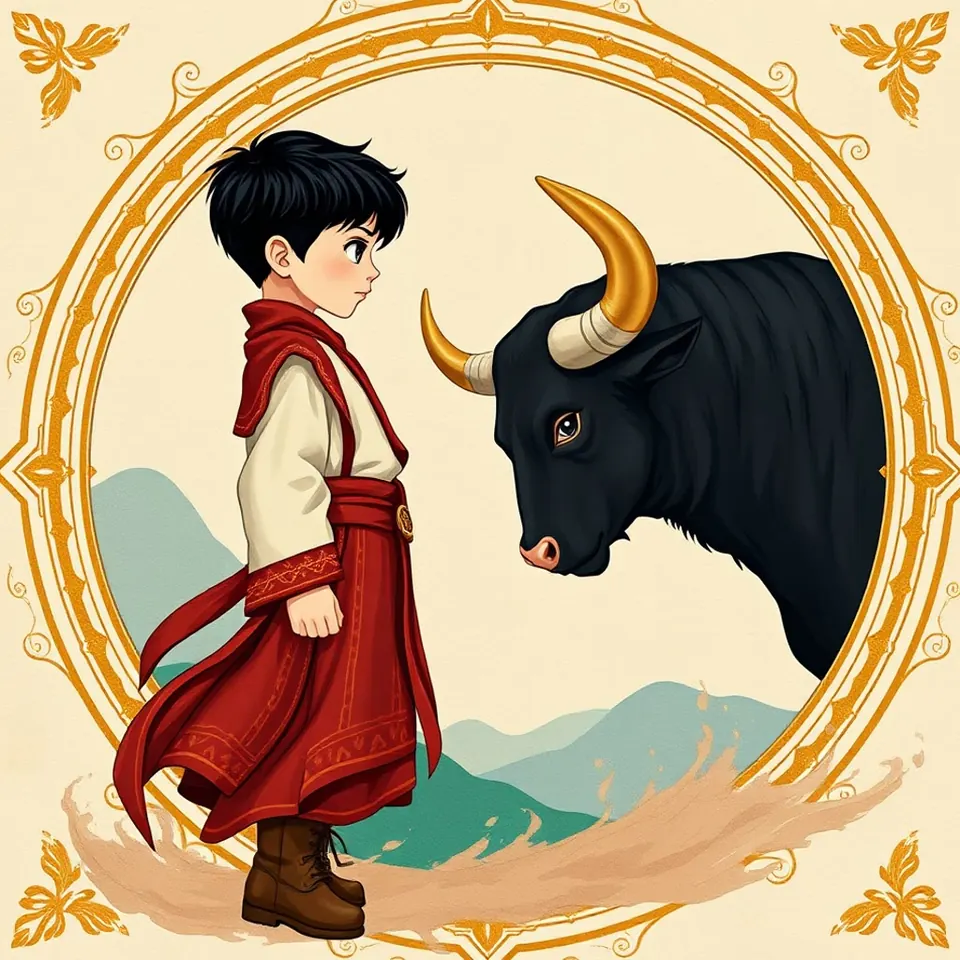
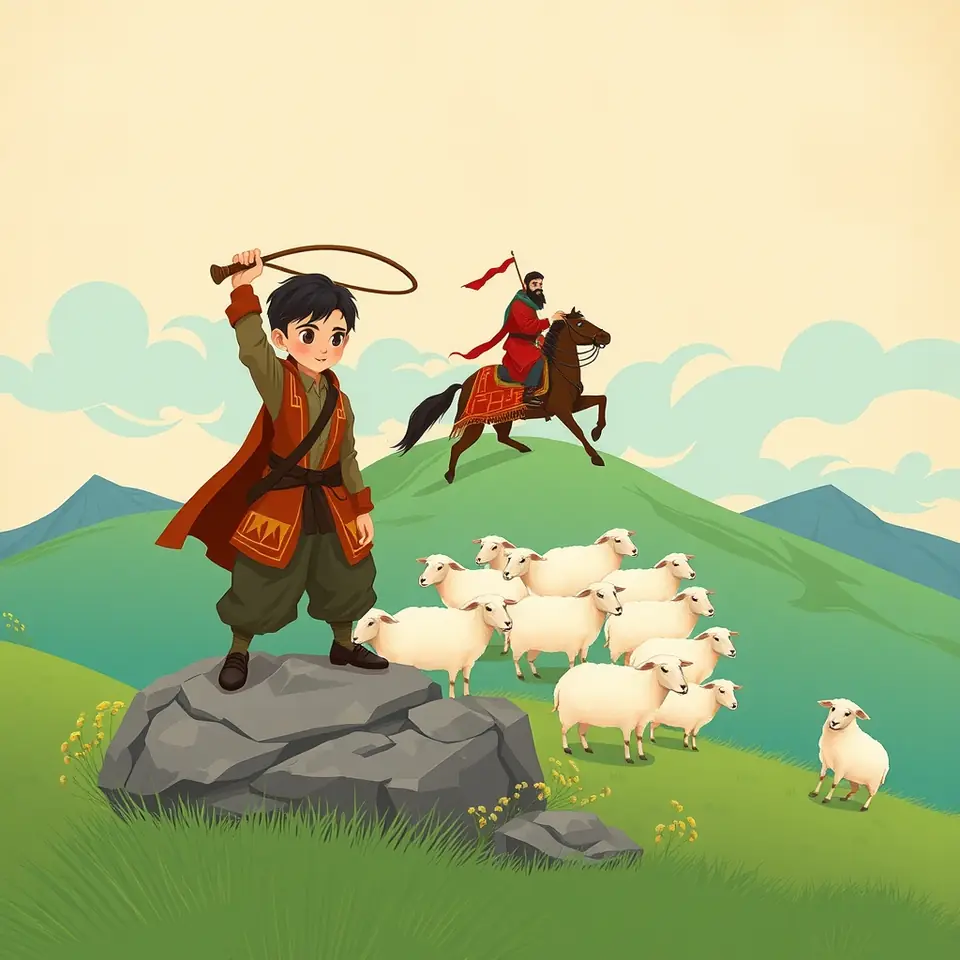
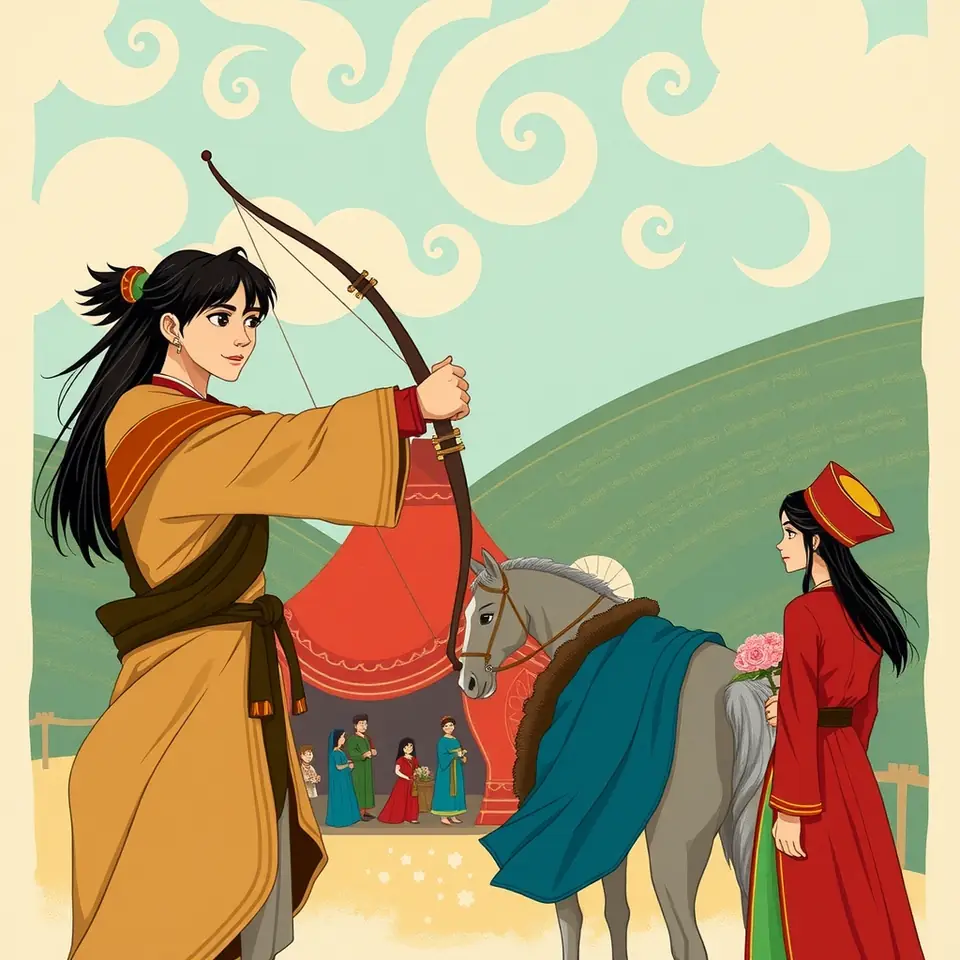
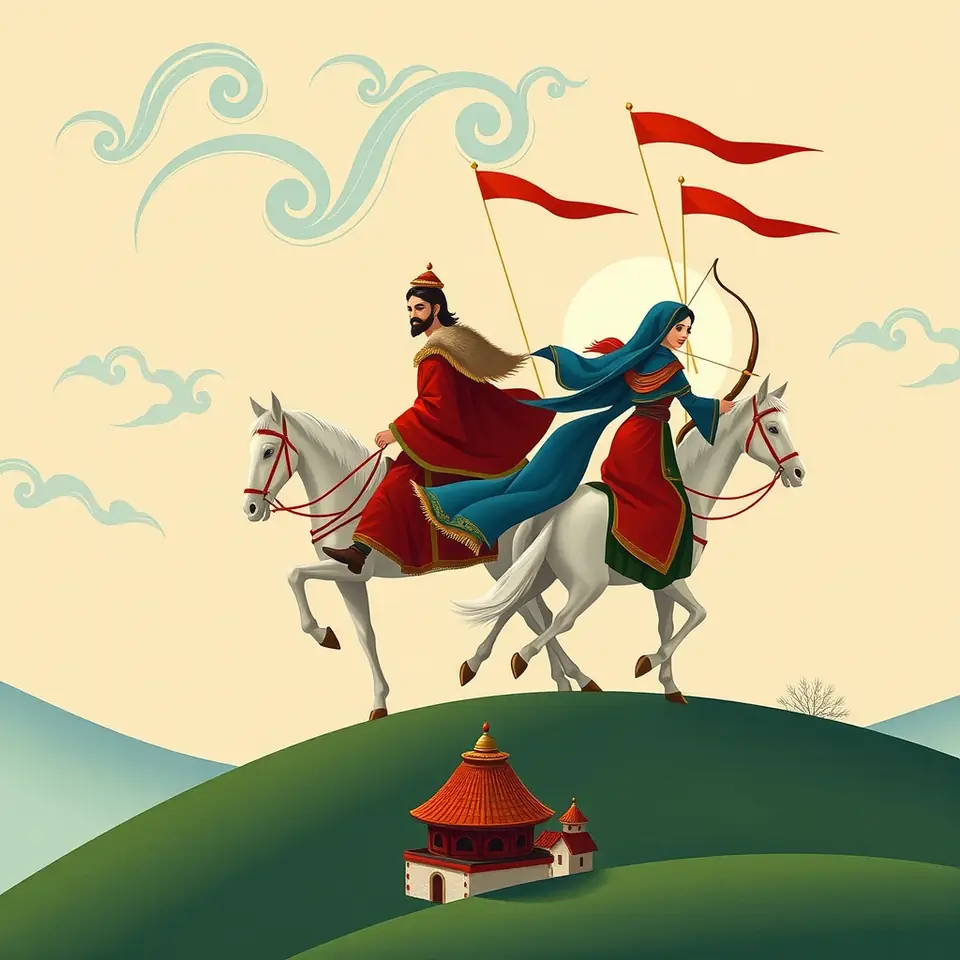
The tales of Dede Korkut are as good for talking about as they are for listening to. For each tale we've prepared a key idea, five conversation questions and a small activity. Print the page to use it in class.
Reading together
Don't be afraid to pause the story. Asking 'What do you think happens next?' turns listening into a game.
There are no wrong answers. The tales are there to raise questions and the heroes are there to be argued about.
When an old word comes up, look it up together in the Glossary.
Some scenes may be frightening for little ones. You can always tell them in a gentler, shorter way.
Coloring pages Printable coloring booklets for each tale, by age.
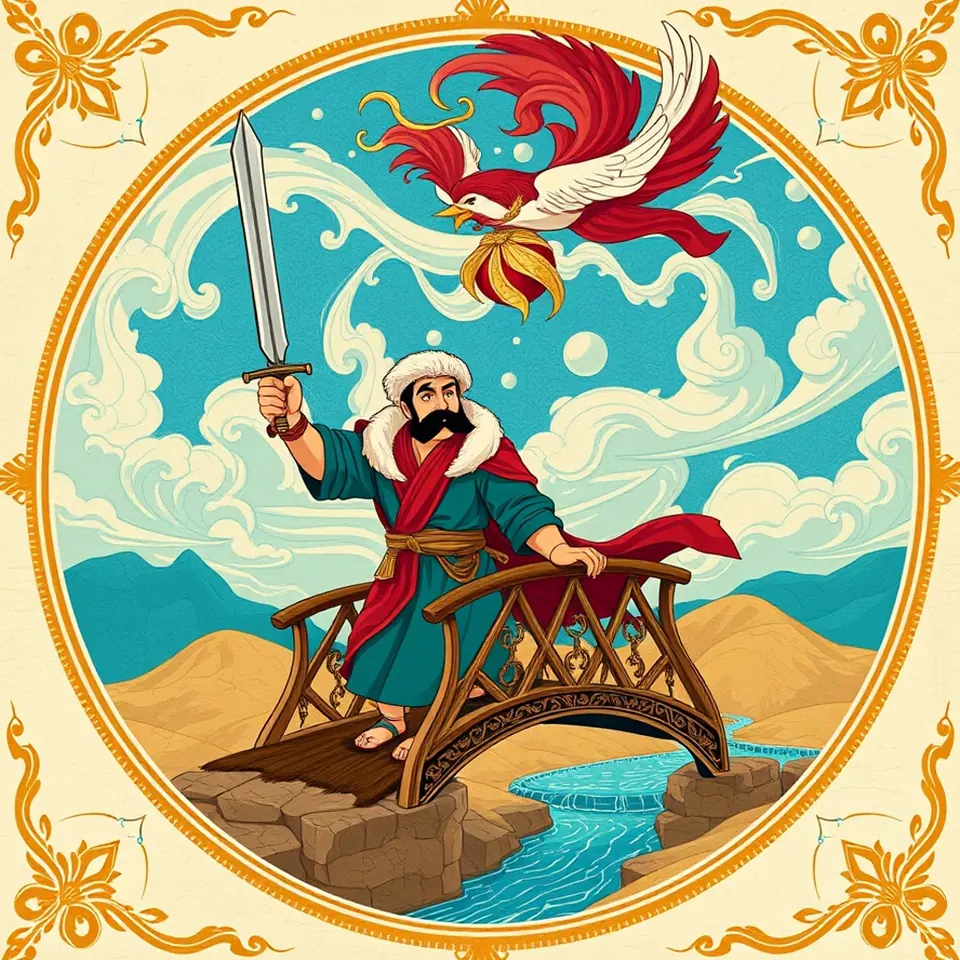
Key idea: Courage is not only in a lord's sword but in the heart of anyone who keeps a trust.
Conversation questions
Kazan left his camp in Uruz's care. Has anyone ever trusted you with something important? How did it feel?
Why didn't Karacuk the Shepherd run from six hundred riders?
Why did Kazan ask the river and the wolf for news? Who do you talk to when you are very sad?
Why didn't Lady Burla give herself away? When does staying silent take courage?
Why did Kazan make the shepherd master of his horses? Do you think he deserved it?
Activity: At home or in class, give each child something small to look after for a week (a plant, a book, a task). At the end of the week, everyone tells how they kept their trust.
Key idea: A promise is not forgotten even after many years, while a lie burns out one day.
Conversation questions
Beyrek and Banıçiçek waited sixteen years for each other. What is the longest you have ever waited for something?
Why did Deli Karçar ask for a thousand fleas? How did Dede Korkut solve the problem?
Why did Yaltacuk lie? What did the lie bring him in the end?
Why did Beyrek forgive the liar? Is forgiving hard?
Once Beyrek was free, why did he go back to rescue his friends?
Activity: Everyone writes on a slip of paper a small promise they want to keep soon, folds it and puts it in a box. A week later, open the box together and talk about whether the promises were kept.
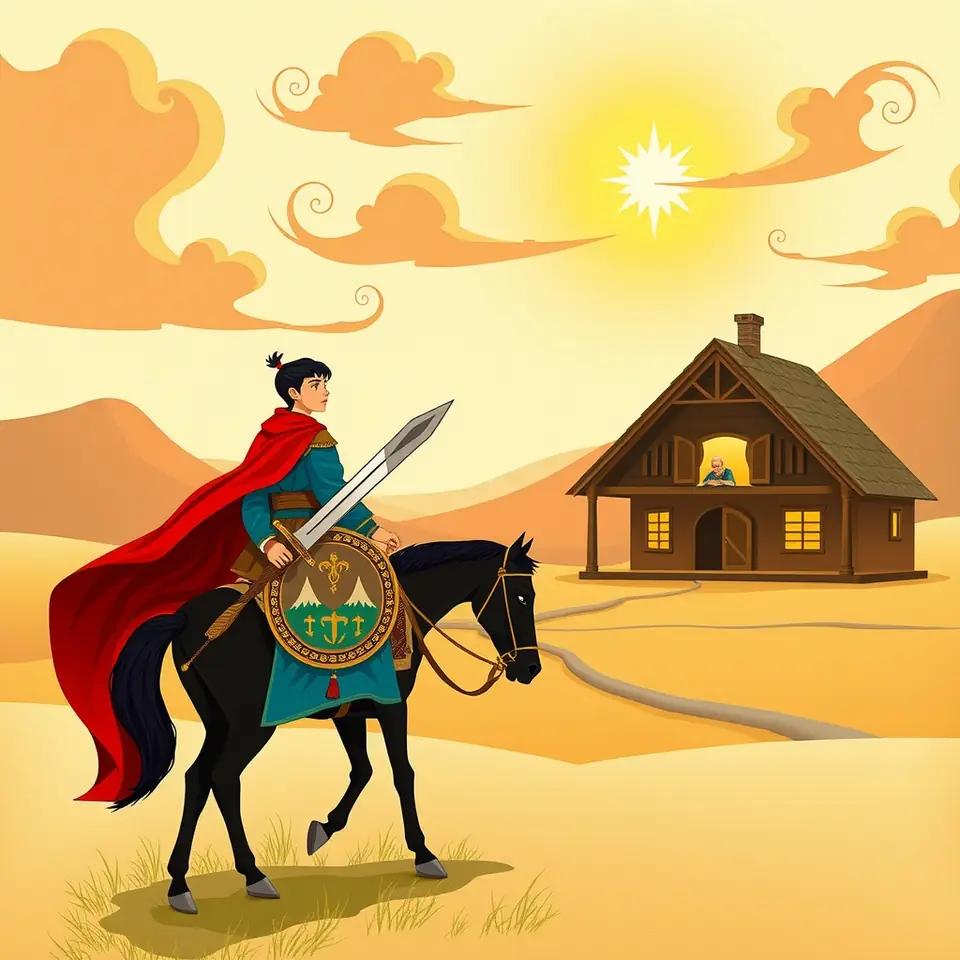
Key idea: Courage is not only in the sword; never losing hope and setting out for someone you love is courage too.
Conversation questions
Kazan told Uruz to stay on the hill, and Uruz did not listen. Do you think Uruz was right?
Why did Lady Burla mount her horse instead of weeping?
As a captive, Uruz talked to a tree. What do you tell yourself when you feel alone?
What did Kazan learn on this journey?
Who in your family encourages you the most?
Activity: Go for a short walk with someone from your family. Let the child lead the way, find the direction and choose where to rest. On the way back, talk about who learned what from whom.
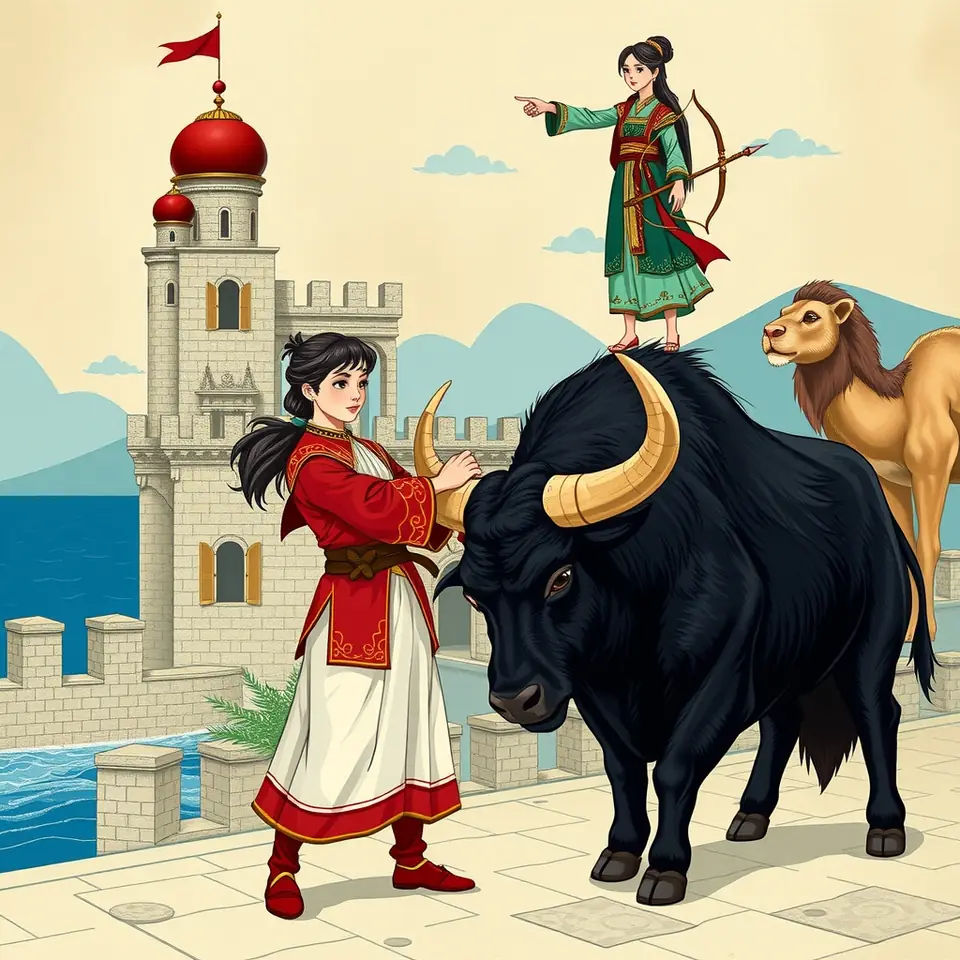
Key idea: The truly brave do not envy those who are stronger; they respect them.
Conversation questions
What kind of bride did Kan Turalı want? Why do you think so?
How might Kan Turalı have felt when Selcan told him the camel's weak spot?
Why did Kan Turalı become jealous? Have you ever been jealous of someone?
Why had Selcan taken the tip off her arrow?
What do you say to a friend who does something better than you?
Activity: Two people do the same task (a tower, a drawing, a puzzle) first as a race, then together. Talk about which was more fun and which turned out better.
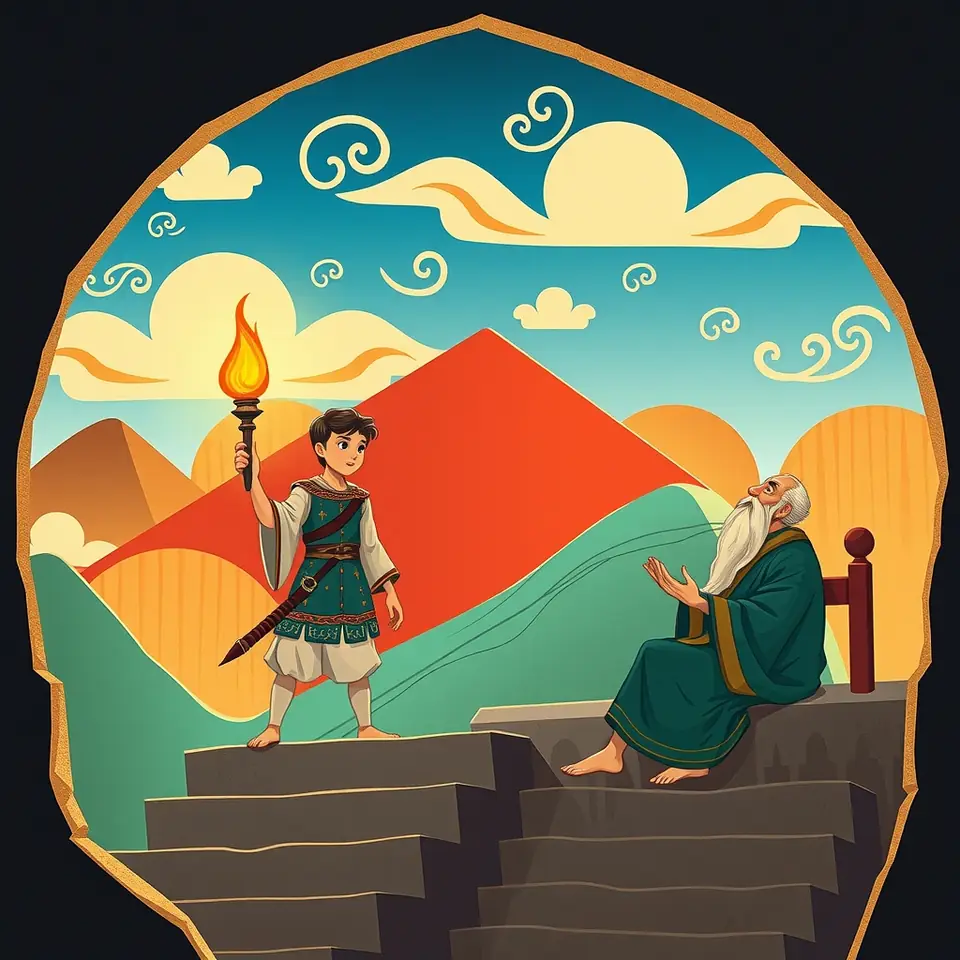
Key idea: Courage is not measured in years; love and determination can bring down even the greatest giant.
Conversation questions
Yigenek had never known his father. Why did he still want to rescue him?
Why did the Oghuz lords help Yigenek?
What helped Yigenek defeat Direk Tekfur: strength or cleverness?
How might Kazılık Koca have felt when he saw his son?
Who in your family has done the most for you? How could you thank them?
Activity: Ask the oldest person in your family to tell you about their childhood. Let the child draw a picture of what they heard and give it to them as a gift.
Key idea: A few words can break a heart; the one who apologises and the one who forgives both grow greater.
Conversation questions
Why did Kazan's joke upset Begil so much?
Have you ever hurt someone with words you thought were a joke? What did you do?
How did Begil's sulking give the enemy a chance?
What did Emren do when he was left alone? Where do you find strength in a hard moment?
How did Kazan and Begil make peace?
Activity: As a family, make 'sorry cards': each card starts with the sentence 'If I upset you, I am sorry, because...'. Keep the cards in a box and use them when needed.
Key idea: The hasty one is left by the roadside, the patient one finds the way, and a brother knows his brother by heart.
Conversation questions
Why did Egrek rush off on a raid? What did his haste cost him?
Why did Segrek drive his sword into the ground in front of the tent?
Why didn't Egrek strike the sleeping man?
Why did Segrek ask his opponent's name before striking?
What is the greatest kindness you could do for a brother, sister or close friend?
Activity: Siblings or friends each tell the other about a skill the other doesn't know they have, and then try it together. At the end, talk about what you learned about each other.
Key idea: A good deed goes round and finds its way home; whoever holds their head high in hard times will one day see the light.
Conversation questions
Why didn't Kazan lose hope at the bottom of the well?
What did the Tekfur want from Kazan? Why did Kazan refuse?
Why didn't Kazan strike back while fighting his son?
Kazan once rescued Uruz, and now Uruz rescued Kazan. How have you repaid a kindness someone did for you?
How did Uruz recognise his father's moves?
Activity: Start a 'chain of kindness' as a family: one person does a small kindness for someone, and that person does one for someone else. After a week, talk about where the chain has reached.
Key idea: A grudge that is not talked through while it is small only grows; unity is the strongest castle.
Conversation questions
Why were the lords of the Outer Oghuz offended? Do you think they were right?
How did Aruz make the grudge grow?
Why didn't Beyrek draw his sword?
What mistake did Kazan admit? Why is admitting a mistake hard?
When there is a hurt feeling between you and someone else, how do you resolve it?
Activity: This tale tells of a loss; after listening, make time for the child's questions. Then choose a 'talking corner' as a family, where hurt feelings are discussed in turn, without interrupting.